Avery Lorenz · 2 November 2026
Utilizing Lantern-Based Radar for Detecting Structural Weaknesses in Bridges During Routine Inspections
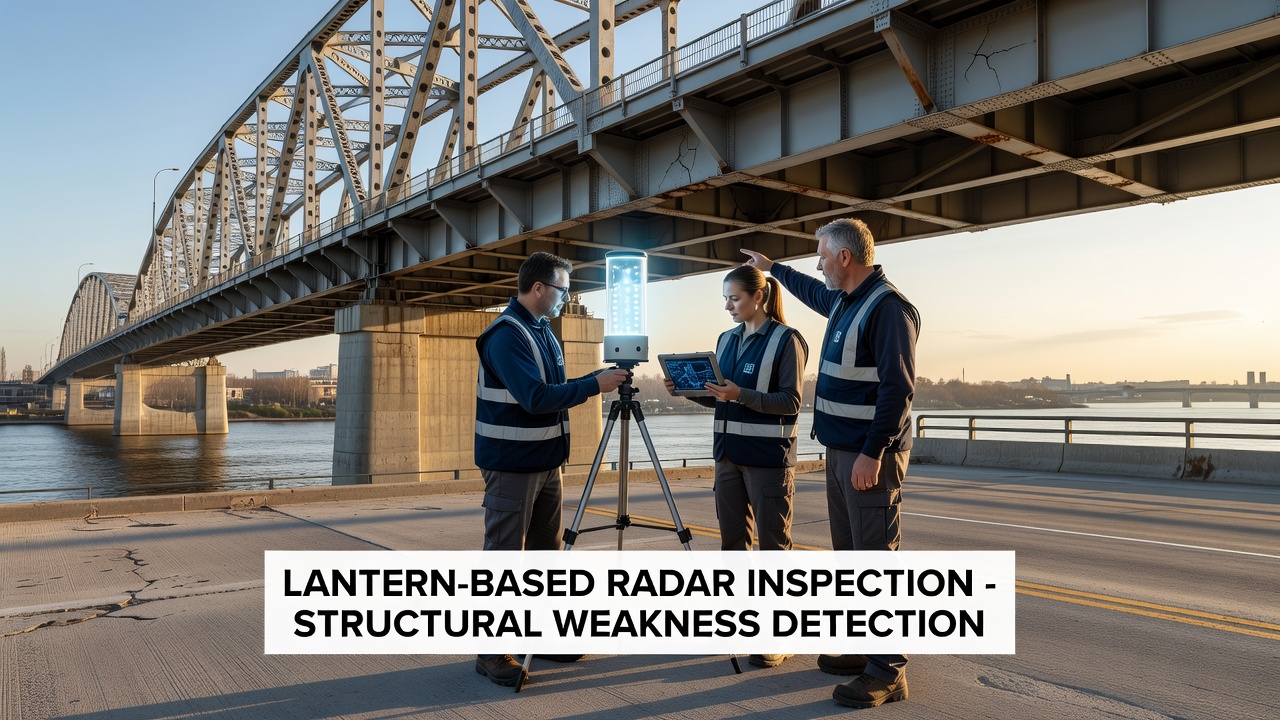
Engineers have integrated radar technology into portable lantern-style devices that combine illumination with subsurface scanning capabilities, and this approach allows inspectors to examine bridge components while performing standard maintenance checks. The system emits low-frequency electromagnetic pulses that penetrate concrete and steel surfaces, then analyzes reflected signals to identify voids, cracks, and corrosion pockets that traditional visual methods often miss during daytime operations. Data collection happens in real time as teams move across decks and understructures, which reduces the need for separate specialized visits and keeps traffic disruptions to a minimum.
Core Technology Components
Lantern-based radar units house compact antenna arrays alongside battery packs and onboard processors, while the lantern housing itself provides both light for night or low-visibility work and physical protection for sensitive electronics. Signal processing algorithms filter out environmental noise from traffic vibrations or nearby utilities, and they generate layered maps that highlight density variations within structural elements. Researchers at institutions across North America and Europe have documented how these maps align with core sample results from controlled tests, confirming detection rates above 85 percent for internal delaminations deeper than three centimeters.
Integration into Routine Inspection Protocols
Transportation departments in several regions now include lantern-radar sweeps as part of scheduled biannual reviews rather than reserving them for emergency assessments. Crews begin at expansion joints and proceed along load-bearing beams, pausing at intervals to log readings that software later correlates with GPS coordinates and photographic records. This workflow produces a cumulative database that tracks changes over multiple inspection cycles, and agencies use the historical layers to prioritize repairs before minor issues escalate into load restrictions. Observers note that the combined light-and-radar format lets teams operate safely after dusk when traffic volumes drop, which improves both accuracy and worker safety compared with daytime lane closures.
Performance Data from Recent Deployments
Figures released by the Federal Highway Administration in late 2025 show that bridges equipped with regular lantern-radar monitoring experienced a 22 percent reduction in unplanned closures over a three-year period. One project along the Ohio River corridor collected more than 1,200 scan profiles across 47 structures, and analysts identified previously undetected tendon corrosion in three cable-stayed spans before visible surface cracking appeared. Similar programs in Australia and Canada have reported comparable outcomes, with Transport Canada publishing metrics that link early detection to extended service life estimates of five to eight years on average for mid-span concrete decks.
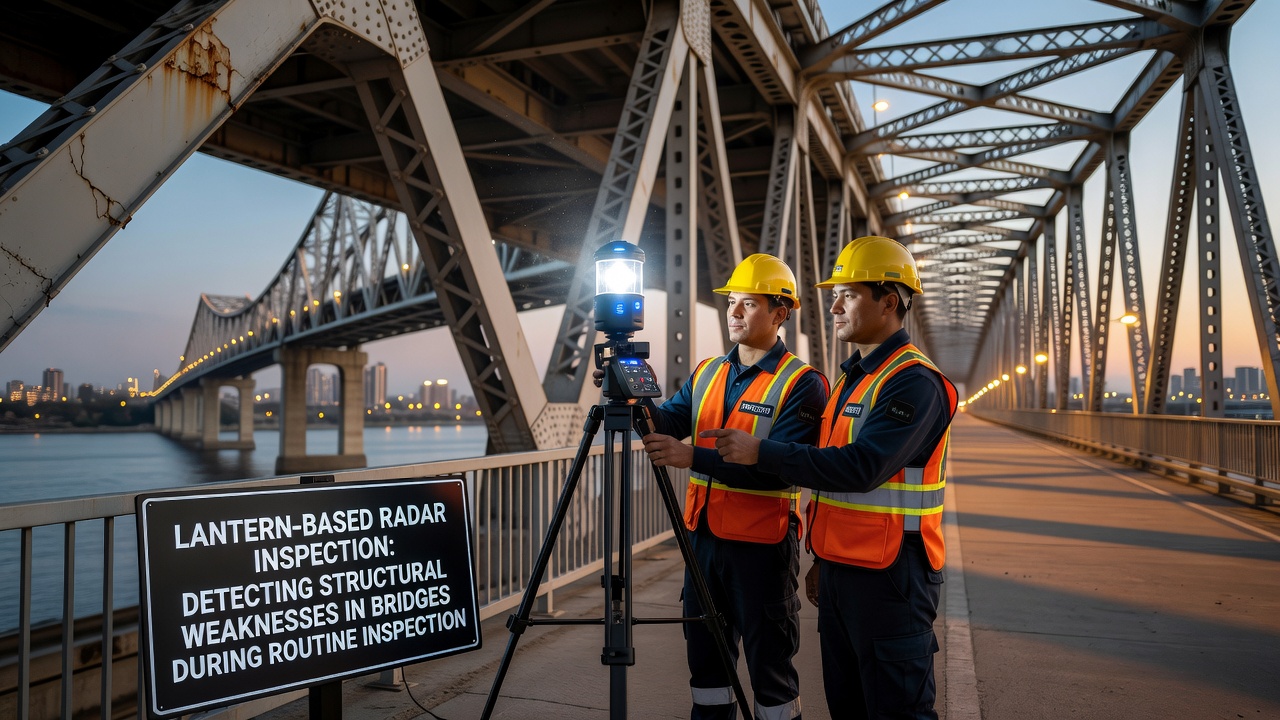
Calibration remains essential because rebar density and moisture content can shift reflection patterns, yet standardized training modules developed by university engineering departments help inspectors adjust thresholds accordingly. Field teams carry reference panels that mimic known defect sizes, and they verify equipment response before each shift begins. These steps ensure consistency across different bridge types, from steel truss designs common in the Midwest to prestressed concrete girders used in coastal corridors.
November 2026 Updates and Standards Evolution
Industry working groups scheduled for November 2026 plan to review updated ASTM guidelines that incorporate lantern-radar data formats into official bridge inspection manuals. Preliminary drafts circulated among state DOTs emphasize minimum scan resolution requirements and file-naming conventions that simplify integration with existing asset management platforms. European counterparts through the Conference of European Directors of Roads have already piloted compatible protocols, and cross-border data sharing initiatives are underway to compare performance across climatic zones ranging from alpine freeze-thaw cycles to subtropical humidity.
Limitations and Complementary Methods
Lantern-based systems excel at locating horizontal layering defects but require supplemental ultrasonic or half-cell potential testing when vertical crack orientation is suspected. Heavy rain or standing water on decks can attenuate signals, so operators schedule around weather forecasts and use protective covers during light precipitation. Cost analyses from research institutions indicate that initial equipment outlays remain higher than basic visual tools, although lifecycle savings appear when reduced scaffolding and traffic control expenses are factored in over a decade of use.
Conclusion
Agencies continue to refine lantern-radar protocols through ongoing field trials that compare results against invasive testing benchmarks. The approach now forms a documented component of many routine inspection programs, supported by datasets from multiple continents that demonstrate reliable identification of internal weaknesses before they affect load capacity. As standards bodies finalize 2026 revisions, the method is expected to see wider adoption alongside established techniques rather than replacing them entirely.